
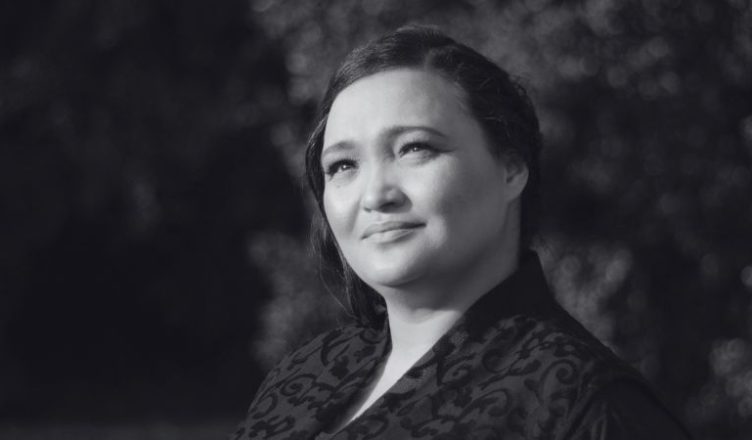
In the high-stakes world of cinema, few moments are as “magical” as a double premiere. For
Zenobia Kloppers, April 17th marked exactly that: the simultaneous release of the South African drama 180 and the American horror film Hive.
Kloppers is a staple of South African culture – a Namibian-born performer who transitioned from a background in musical theatre to become an iconic screen presence. In a recent interview with SPL!NG, she pulled back the curtain on the grit required to sustain a career in 2026, the technical nuances of genre-hopping, and the stark financial realities of the local industry.
Trust and Typecasting
Despite her acclaim in dramas like Fiela se Kind, Kloppers has frequently found herself typecast as the “mother figure”. Hive represents a significant break in that trajectory, marking her first foray into major horror. For Kloppers, the craft of acting isn’t about reinventing the wheel for every genre, but about shifting the stylistic lens.
“I think as a performer, I play the character. Whatever the character demands in terms of the
drama side of it, I do the same thing for all characters… but I think everything has a tiny bit of a stylistic difference when you’re playing in different genres.”
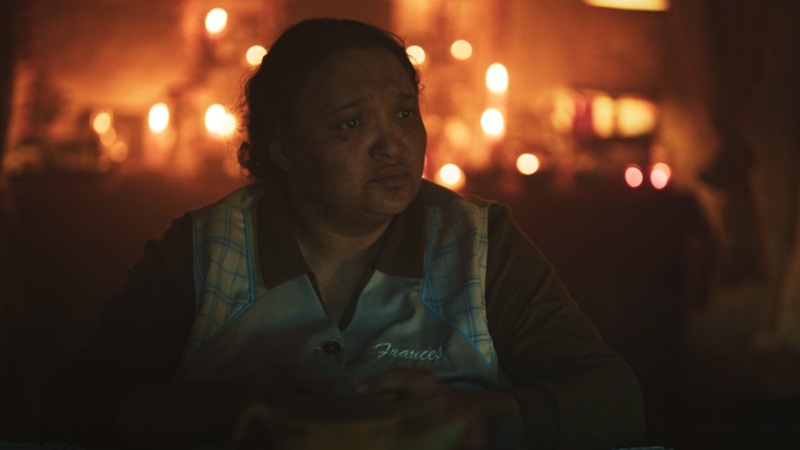
She emphasises a crucial technical truth for screen actors: the director is your eyes. Coming from a theatre background where the performance is “live and lost” in the moment, Kloppers learned to lean into the collaborative trust of filmmaking. “They are the ones that are going to sit in the editing room, and they’re going to cut your performance as it fits beautifully into their vision.”
Kloppers credits casting directors like Bonnie Lee Bouman and Richard Lothian for having the “vision” to see an actor outside their usual box.
The Move to Directing
In 2022, Kloppers took the leap into directing and writing, mentored by Brett Michael Innes. Her first short film, The Riel, centred on the riel dance, wasn’t just a creative exercise – it was a response to systemic barriers.
Entering the directorial space in her 40s, Kloppers is vocal about the challenges often faced by women of colour in the industry. Her move behind the camera is part of a broader trend of South African artists taking agency over their narratives.
However, the path is rarely smooth. “Financing is a big thing… there’s not enough money, and there’s not enough support to be able to make the stories that we really want to make. People are spending two, three, four… sometimes seven years to get a film made because you’ve gotta get the financing for it.”
The “One, Two, Let’s Shoot” Mentality
Kloppers’ experience on international sets, such as the high-fantasy blockbuster The Wheel of Time shot in Prague, provided a unique vantage point to compare South African production standards with global giants.
The verdict? South African crews are world-class, but time is a luxury they rarely afford. The big difference is that international budgets allow for shooting one or two scenes a day, exploring every conceivable angle.
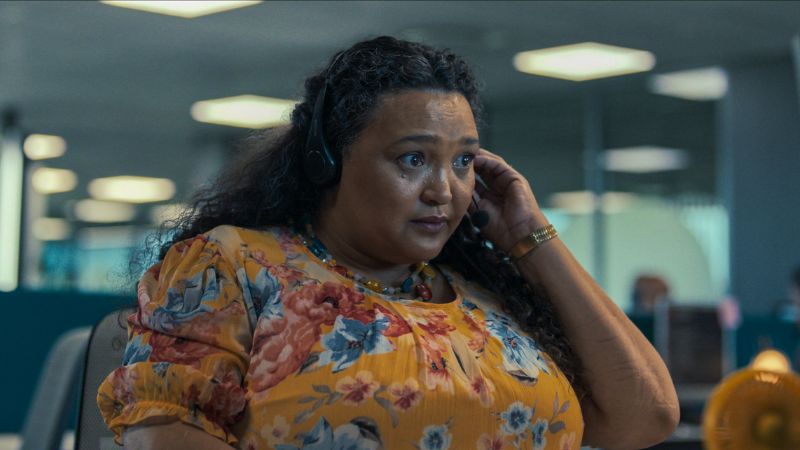
Local productions operate on what Stephen ‘Spling’ Aspeling refers to as a “one, two, let’s shoot” basis. According to Kloppers, we do things “really, really quickly” out of necessity, yet the level of professionalism remains on par with the best in the world.
Uncomfortable Truths for 2026
When asked for the “uncomfortable truth” for aspiring performers entering the industry today, Kloppers doesn’t mince words. In an era where AI is beginning to fill the gaps of human imagination, she views the profession through the lens of a blue-collar worker rather than a celebrity.
“Don’t expect to get rich. In South Africa, that’s just not true. We are workers like everybody else. We go from job to job… You are going to have to do other stuff to survive. You are going to have to get into writing, teaching, or having a side hustle.”
Her advice is a call to action: climb into it with both feet. The industry doesn’t offer silver platters; it requires a constant state of “audition fitness” and a refusal to let the imagination atrophy under the weight of modern stimulation.
The Horizon: Sci-Fi and the Stars
While she has checked off “dream roles” like Fiela, Kloppers is a self-described “super freak” for fantasy and sci-fi. Wanting to continue to work in this realm, her future sights are set on the stars.
“I really, really want to be in an episode or two of Doctor Who,” she laughs. Whether it’s Lord of the Rings, Star Trek or her own independent projects currently in the pipeline, Kloppers remains driven by the “teamwork” of the set. For her, filmmaking is a survivor’s game – and she’s playing to win.