
Film Critic: Stephen ‘Spling’ Aspeling
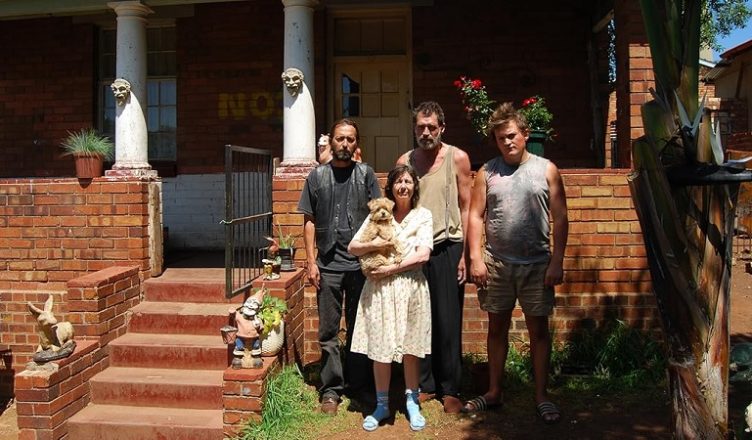
Triomf is a curious South African drama centered on a poor, white Afrikaans family at the turning point of the nation’s history in 1994, just before Nelson Mandela was elected president. Based on the novel by Marlene van Niekerk and adapted for the screen by Michael Raeburn, the film serves as a fly-on-the-wall chronicle of the days leading up to the historic election. As the nation prepares for change, the Benade family finds themselves increasingly restless ahead of their son’s 21st birthday. Living in a suburb previously known as Sophiatown – forcibly cleared and renamed “Triomf” (Triumph) by the apartheid government – it now serves as a haven for impoverished white families.
The film entrenches itself within this highly dysfunctional family unit. A cantankerous lot, the uncle, Treppie, is the most lively of the bunch – always content to stir the pot, concoct harebrained schemes, and clash with neighbors. Terrified of the incoming ANC government and the protests in the area, the family sticks together out of a desperate survival instinct, deeply troubled by their circumstances and grappling with dark, long-held family secrets.
The country’s overarching political transition presents a constant threat to the Benades, who fear being ousted from their home and forced north. Triomf maintains a bubbling tension, propelled by macro-changes in society and riddled by internal, claustrophobic squabbles. There are many layers to this “white trash” story; while it mostly unfolds within the cramped confines of the family home, glimpses of the surrounding suburb remind us of the broader political turmoil outside.
This is a modest production that relies heavily on hand-held camerawork, getting right into the actors’ faces. In terms of scope, it feels like a stage play, relying on a single primary location and a tight focus on the main characters. Director Michael Raeburn has assembled a worthy cast in Lionel Newton, Vanessa Cooke and Paul Lückhoff, each bringing a wealth of experience to the screen with maddening performances. It’s also an early, standout chapter for Eduan van Jaarsveldt, who brilliantly plays the troubled youngster, Lambert.
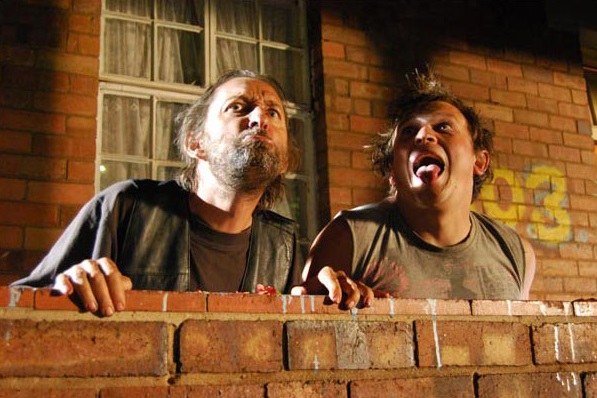
Living in a makeshift, cluttered dwelling, the family finds fleeting joy in trinkets and simple pleasures. As a “warts-and-all” tragicomedy, Triomf presents a strange genre blend. It offers an intimate family portrait that extends to incest and a total lack of dignity, where members barely tolerate one another as domestic tensions rise. The external political threat creates a constant buzz of unpredictability, making it feel as though anything could happen.
This is a challenging experience that never allows the audience to get comfortable. By presenting highly distasteful behavior, it enters a cultural space that has since become the territory of shock-counterculture acts like ‘Die Antwoord’.
This discomfort is entirely intentional. The low-budget filmmaking style adds to the volatile atmosphere, giving the movie a dangerous disposition. There is a sickly sweet, almost poisonous element to this family, characterised by flagrant racism and disquieting social graces. It is an awkward balancing act, but the actors are fully invested in their characters, which helps navigate the narrative’s uglier facets. It makes for a strangely compelling watch – simultaneously pushing you away with its gritty aesthetic and drawing you in with its raw honesty and wild spirit.
There is a theatrical, almost boxy undertone to the film, but its untamed nature pushes limits as suspense builds with each passing moment, tapping into the same chaotic energy as series like Shameless. At the same time, the immersive, behind-closed-doors storytelling offers a fascinating, albeit grotesque, documentary-like value.
Ultimately, Triomf is a thought-provoking drama, even if it is difficult to call it traditional entertainment. While a more polished production might have been easier to stomach, the resourcefulness of the on-the-fly shooting style perfectly matches the inherent ugliness of the family’s nature. It stands as a flawed but valuable time capsule of a nation in transition.
For more film reviews, visit SPL!NG.