
Film Critic: Stephen ‘Spling’ Aspeling
Little One tells the story of a woman who takes a young girl under her wing. While the narrative is simple, the circumstances are anything but: a six-year-old girl is found left for dead in the veld near an informal settlement. After saving her, a middle-aged woman forms an inextricable, life-changing bond with the child.
The film is truly heartbreaking, driven by a tensile emotional undercurrent. The mother’s endless reserve of love for this abandoned child is inspiring – a contemporary take on the Good Samaritan. In a society often marked by violence, she chooses to rise above the chaos as justice runs its slow course.
While Little One deals with the brutality of child abuse, it focuses on the aftermath. Director Darrell Roodt (Yesterday, Cry the Beloved Country) doesn’t diminish the severity of the crime, but he chooses to highlight the “flip side” by focusing on the guardian angel. Her selfless, unconditional love leads to a profound transformation for both characters.
Roodt has crafted a quietly powerful drama that blends the harsh authenticity of South Africa’s socio-economic landscape with a sincere, redemptive love story. The film’s life-affirming storytelling – reminiscent of Iranian cinema – cuts across age, race, and culture, allowing the audience to journey with ordinary people behaving in extraordinary ways.
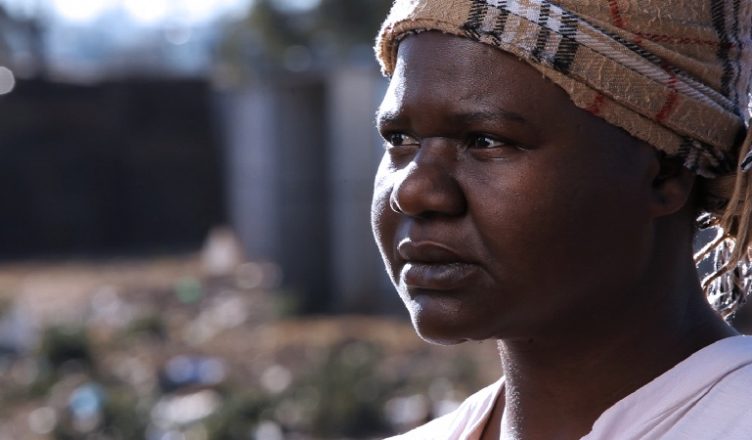
Lindiwe Ndlovu is the life force of the film. Best known for her comedic television roles, she is seamless here as Pauline. Much like the lead in Precious, Ndlovu conveys a beauty that transcends her circumstances. She embodies a naive and spirited character in a performance so strong it occasionally highlights the limitations of the supporting cast. Mutodi Nesheshe delivers a solid performance as Detective Morena. Despite a lack of deep exposition, he effectively represents the frustrations of a justice system determined to serve but often unable to protect.
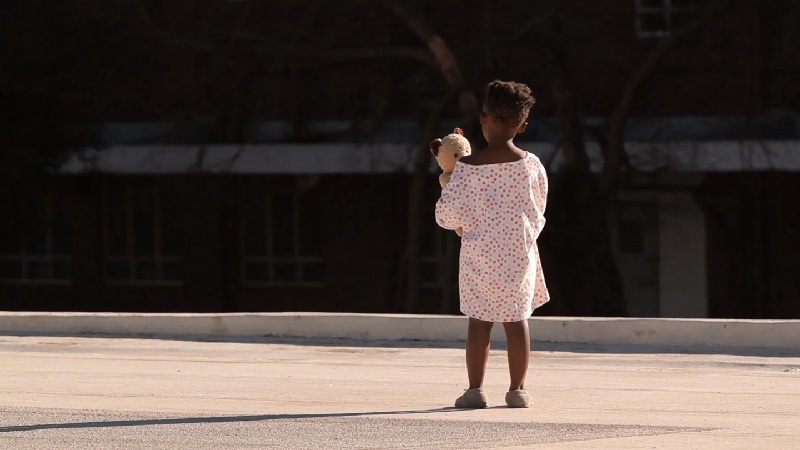
Vuyelwa Msimang, as the title character, spends much of the film behind bandages or in obscured shots, yet she represents every child. Her performance is instinctive, capturing the slow process of “letting the love in.” Roodt uses her character to create deeply moving, symbolic scenes of rehabilitation.
One of the film’s few weaknesses is the characterization of Pauline’s husband, Jacob. While Luzuko Nqeto is sincere, the character’s “day-and-night” transition is difficult to bridge. Initially stereotyped as an abusive, disconnected husband, the actor’s natural comic edge and likable features occasionally clash with the script, creating a few unintentionally discordant moments that affect the drama’s integrity.
Little One’s deliberate simplicity may not hold every viewer’s attention; it is a film that taps you on the shoulder rather than shouting for notice. However, its beautiful cinematography and rich symbolism make for a visceral experience. Watching it feels like walking through a gallery of South African photojournalism, with the subjects themselves acting as your guides.
For more film reviews, visit SPL!NG.